
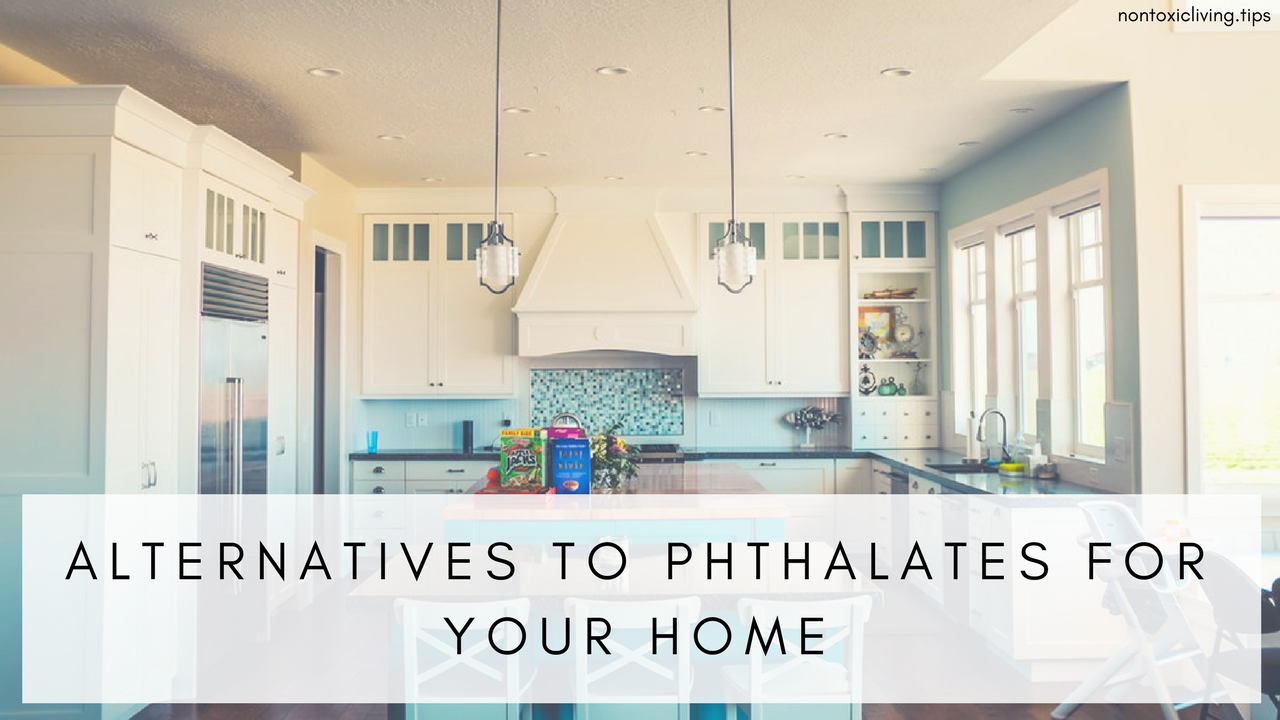
Consider Phthalates in Furniture
Feb 05, 2018by Angela Cummings and Sophia Ruan Gushée
Did you know there are phthalates in furniture?
“More than 470 million pounds of phthalates are produced or imported in the United States each year,” according to the U.S. Environmental Protection Agency. (1)
With amounts that large, it may be in your home.
Let’s look at where these phthalates could be lurking.
Where are phthalates found?
Phthalates are used to soften plastics and increase their flexibility. It’s one of the chemicals used to make vinyl, or PVC, one of the most hazardous types of material.
Take a minute to think about the soft plastics found in your home. Products containing phthalates include:
- Furniture & Textiles: furniture covering, drapes, shower curtains, tablecloths, bath mats, vinyl blinds
- Building materials: vinyl flooring, carpet backing, wallpaper, adhesives, caulk, plumbing pipes
- Children’s Stuff: toys (made prior to 2009), pool toys, high chairs, pacifiers, soft rattles, teethers
- Misc: plastic storage containers, fragranced products, candles
Why does it matter?
Phthalates don’t stick to the product they’re part of. This means that the chemical can be released fairly easy—by agitation, heat, and long periods of storage. (2)
So, pretty much anytime.
Phthalates off-gas in normal room temperatures; heat and humidity promote the release of chemicals even more. These chemicals are able to enter our bodies and may be affecting health.
How can phthalates enter our bodies?
Phthalates have been found in nearly every person that has been tested. (3) They can enter the human body by breathing (inhalation), swallowing or eating (ingestion), and absorbing them (through the skin). (4)
What are the possible health effects?
Phthalates may contribute to the following (5) (6):
- Reproductive system: reproductive problems, premature development, sperm damage, birth defects, infertility,
- Organ damage: liver and kidney abnormalities
- Chronic illness: obesity, allergies, asthma
- Terminal illness: cancer
5 ways to avoid phthalates in your home
1. Avoid plastics when possible. Plastic high chairs, toys, and flooring come in non-plastic, non-vinyl varieties. Consider choosing products made from solid hardwood with natural finishes.
2. Ditch the fragrance. Candles, air fresheners, and products infused with fragrance are often made from synthetic chemicals. Opt for natural fragrances, or no fragrance at all! Fragrance-free, free and clear, and products made from all-natural ingredients are readily available.
3. So long synthetics. Products made from synthetic materials can be replaced with all-natural products. From teethers to table runners, choose natural textiles with natural dyes and finishes instead of plastics and polyesters.
4. Natural flooring. Flooring made of ceramic, stone, or solid hardwood with natural finishes can be fabulous alternatives to vinyl and carpeting. Add area rugs made from natural materials, dyes, and finishes for warmth and comfort.
5. Safe storage. Store foods in glass or ceramic containers instead of plastic. This is easy to do, especially when storing food at home (and not traveling with food). Do not microwave food in plastic containers; heat food in glass or ceramic.
In Summary
Given the widespread use of phthalates and their potential health effects, it may be worthwhile to avoid products made from the chemical. Consider choosing products made from natural materials such as glass, ceramic, solid hardwood with natural finishes, and natural textiles with natural dyes and finishes instead of plastics, vinyl or synthetic materials. By avoiding products with easily-released phthalates, the chances of them entering the body may be reduced.
Related Content
References
(1) EPA
(2) (4) Zero Breast Cancer
(3) A to Z of D-Toxing, Works Cited Part 2
(5) A to Z of D-Toxing, Works Cited Part 1
(6) ToxTown