
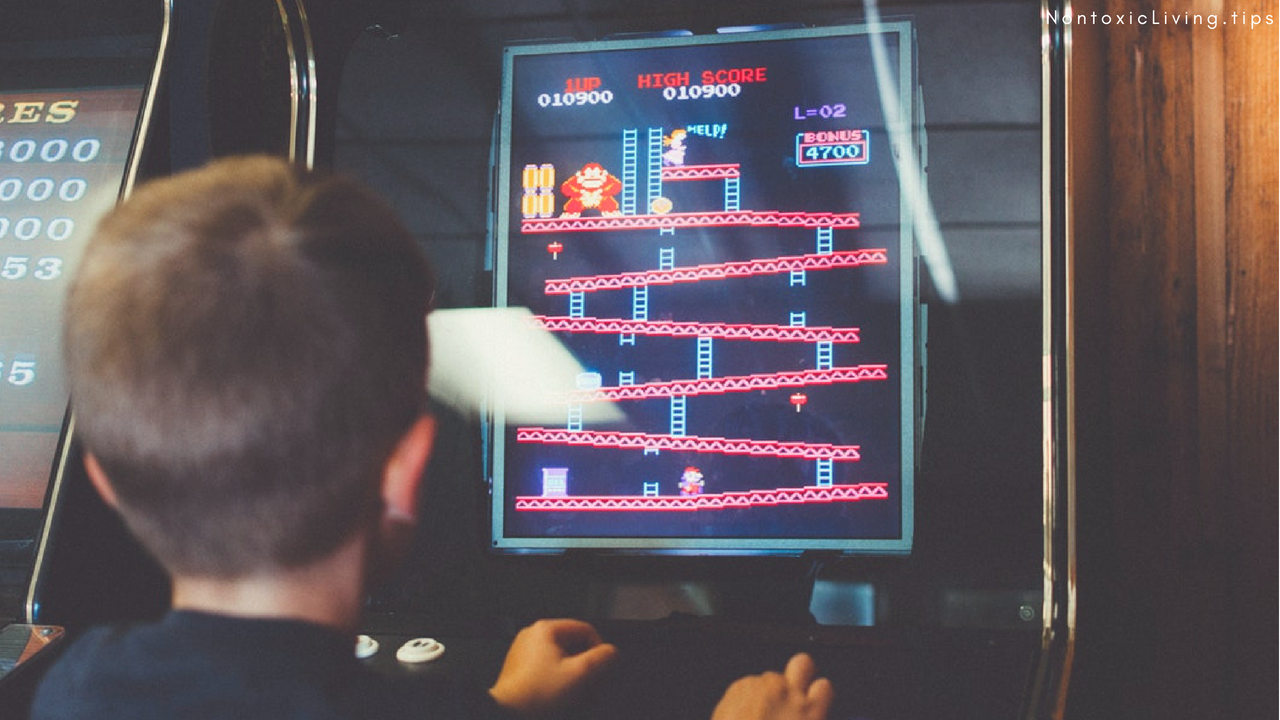
Digital Screen Time and Vision Problems
Jul 16, 2018by editorial team
Electronic devices with visual displays are here to stay and feature prominently in kids' daily lives for communication, school work, and entertainment. Overuse of electronic devices of any kind with visual screens can cause tired eyes, eye strain, and computer vision syndrome.
Research reveals that kids start using digital devices as young as six months of age. By their teens, some kids use screen-based media for up to seven hours daily. According to a 2018 Q1 Nielsen Total Audience Report,
AMERICAN ADULTS SPEND OVER 11 HOURS PER DAY LISTENING TO, WATCHING, READING OR GENERALLY INTERACTING WITH MEDIA
Eye-Rubbing Exhaustion
The American Optometric Association defines computer vision syndrome (CVS) as a cluster of vision-related problems that result from eye strain associated with prolonged visual screen use. Parents should be alert to the following possible eye symptoms from overuse of technology.
- Eyestrain
- Blurred Vision
- Dry Eyes
- Headaches
- Neck and Shoulder Pain
The National Institutes of Health (NIH) suggest symptoms worsen with environmental conditions such as poor lighting, glare, preexisting vision problems, and the ergonomics of the workspace.
Blue Screen Light and Vision Problems
Blue light is not all bad, but it can cause problems for eyes of all ages. Children’s eyes can focus on smaller objects because their natural lens is more transparent and shorter and this sends blue light directly to the retina which can cause damage over time.
The website All About Vision reports that overexposure to blue light may increase the risk of macular degeneration in later years in addition to more immediate issues such as eye strain.
The site offers the following tips to reduce the harmful effects of blue light while retaining the beneficial ones.
- Use a blue light filter that helps with eye strain; the use of a blue light filter helps lessen sleep disruption which is excellent for overall health including eye health
- Prescription computer glasses
- Eyeglasses with photochromic lenses or anti-glare lenses
Protecting Children’s Eyes
HealthyChildren.org suggests families develop a family media use plan which incorporates American Academy of Pediatrics recommendations of screen-free zones, time limits, and media manners.
- Limit screen time. Physical activity and play are essential ways kids learn.
- Take frequent breaks. The AAP recommends the 20/20/20 rule. Encourage your child to gaze away from the screen at something 20 feet away for 20 seconds for every 20 minutes of computer time. Purchase a timer to help kids remember.
- Encourage your child to blink which helps to moisturize dry eyes. If your child is bothered by dry eyes, talk to your pediatrician about moisturizing eye drops or use a humidifier in the room.
- Learn about ergonomics. Position the screen slightly below eye level. Looking up opens the eyes up wider and dries them out faster. Another helpful rule is the 1/2/10 rule. Cellphones at 1 foot, laptops and computers at 2 feet and TV screens at 10 feet.
- Regular eye exams and communication with your pediatrician about proper eye care.
- Provide optimal room and screen lighting to reduce eye strain. Decrease the computer brightness when needed, reduce glare from outside windows or use specialized glasses to reduce glare.
Children today are bombarded by digital technology, and it’s unlikely that the amount of screen time will decrease in the future. Parents can help their children use digital screen devices in an eye-friendly way by incorporating these suggestions into their daily digital time.